Couch Stop Illustrated guide Some options are available in test versions first.
All topics How to play Join room Traditional Total surprise Category chaos Quick Family Difficulty Categories Points Time Rounds Questions per round Penalty Bonus per second Voting Time per vote Review answers Scores Host only Same place Language Turn sound on How to play Example One host opens the room; everyone answers on their own phone, with Internet access.
The host chooses the mode and rules to open the room.
Join by code or QR, choose a name and mark yourself ready.
Use your phone to answer the letter and categories in the chosen mode.
Vote on doubtful answers, wait for the host’s review and see the total score.
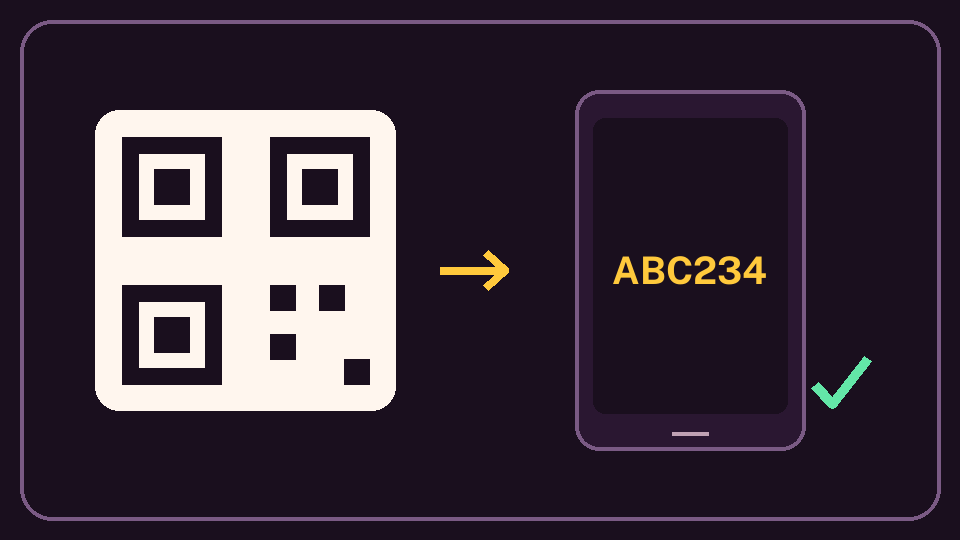
All topics Join room Example Scan the QR or enter the code. Choose a name and tap Ready.
Join with your name and mark yourself ready.
Point your camera at the room QR code.
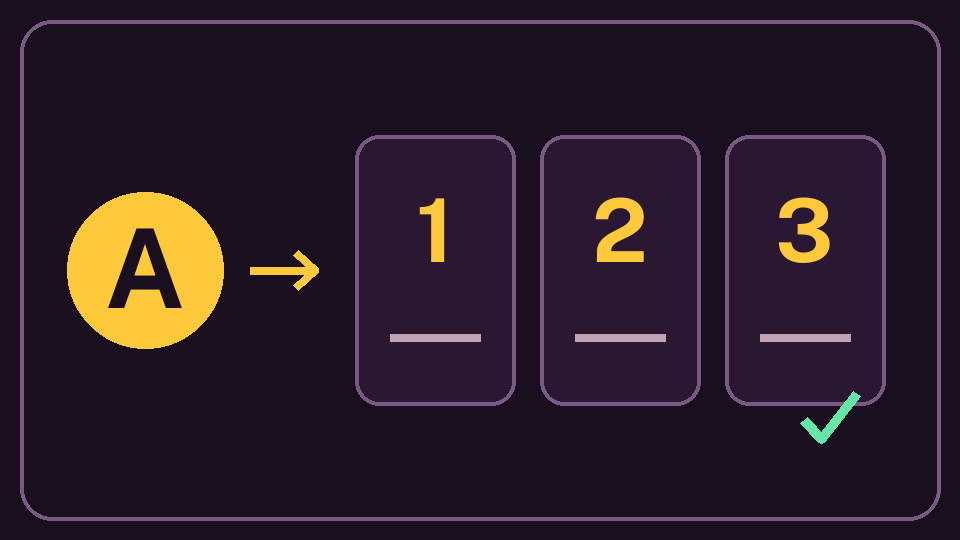
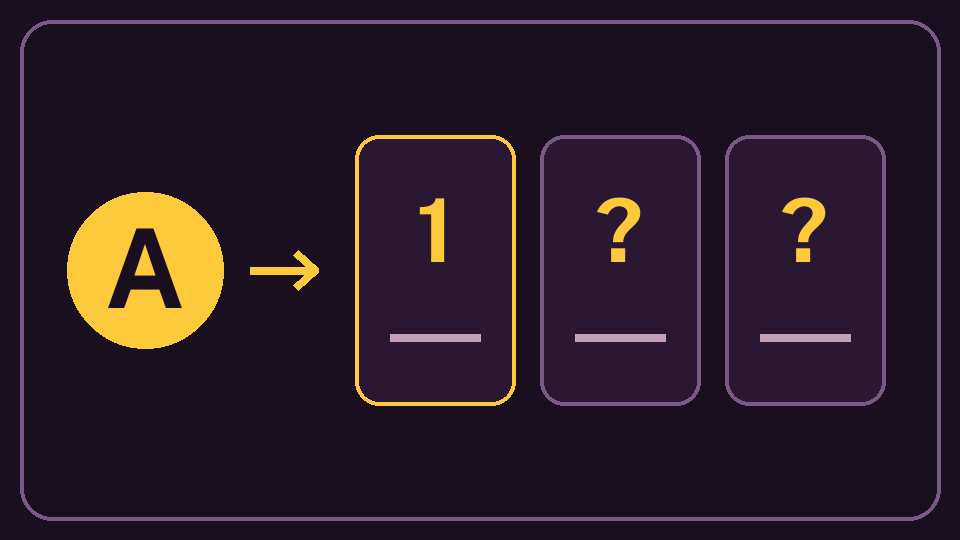
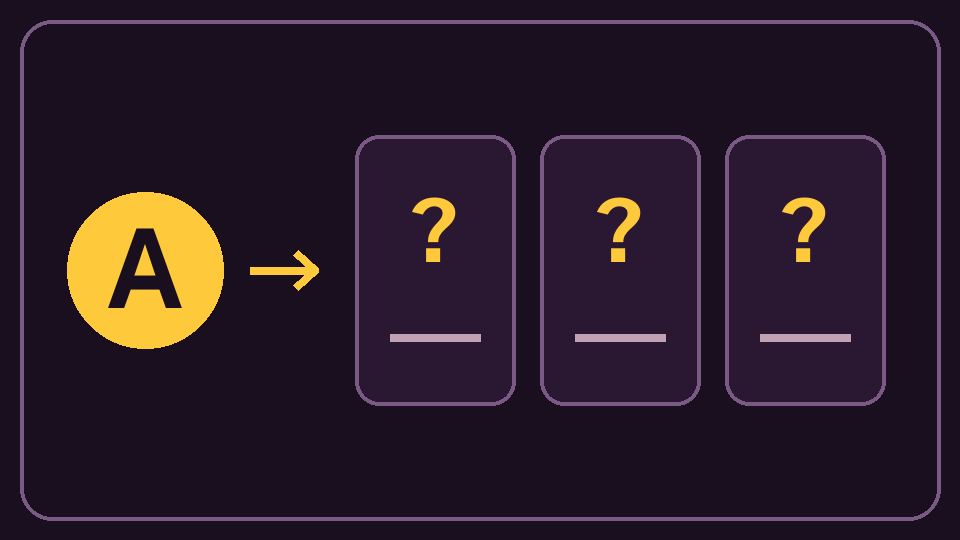
All topics Traditional Example With the letter A, fill in five categories in 50 s; you can edit and go back until someone presses Stop.
One letter for every category; the first Stop ends the round for everyone.
You have 50 s to fill in and edit all categories before Stop.
After each round, we review answers and add to the total score.
All topics Total surprise Example Five questions make one round: each question can have a different letter and category; review follows all five.
Several questions per round, each with a randomly drawn letter and category.
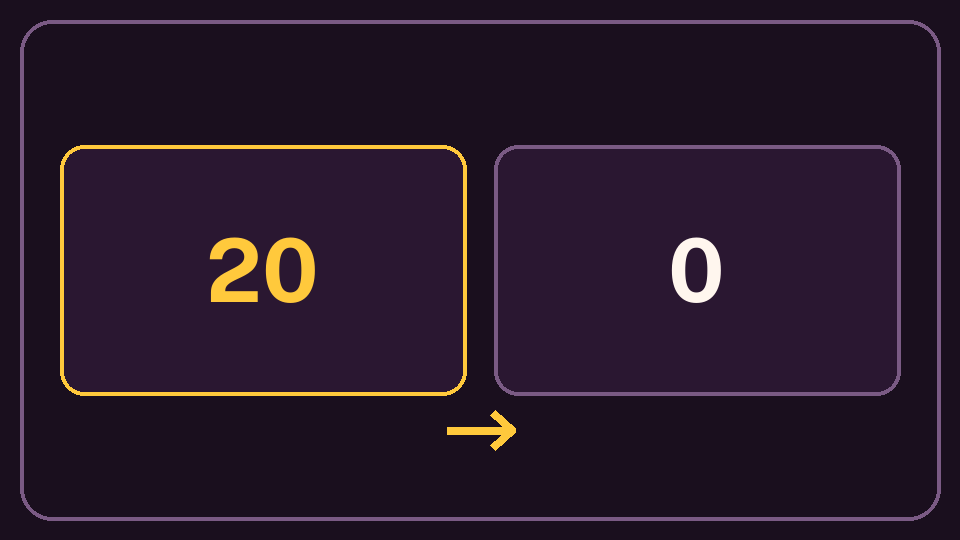
You have 20 s per question; play moves on when everyone answers or time runs out.
Questions per round: 5; then review answers and add the points.
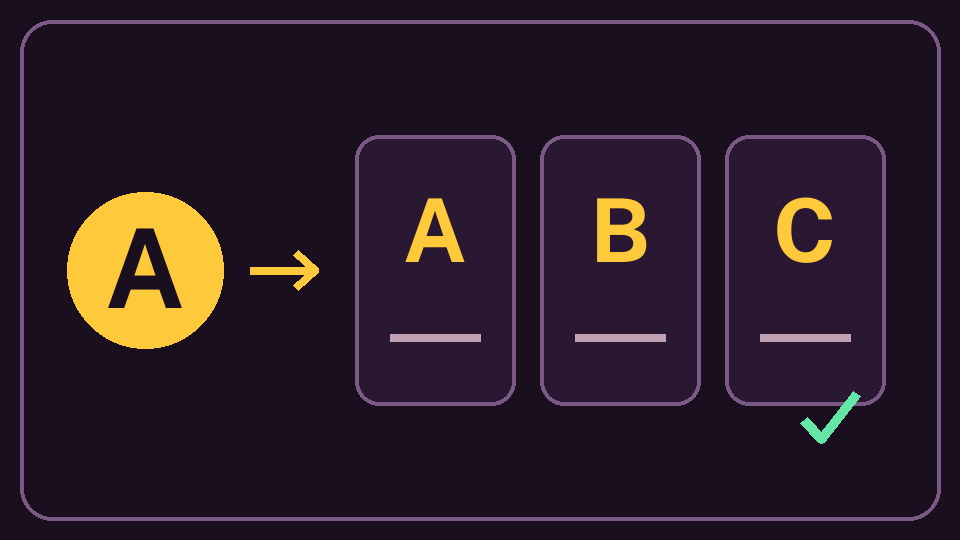
All topics Category chaos Example The letter A stays while five categories appear one at a time; everyone follows the same order, without skipping.
The letter stays fixed while surprise categories appear one at a time, in the same order for everyone.
You have 20 s per question; play moves on when everyone answers or time runs out.
After each round, we review answers and add to the total score.
All topics Quick Example Three rounds, five categories and 10 points per accepted answer; 50 s per Traditional round or 20 s per question in other modes, with a 5-point penalty.
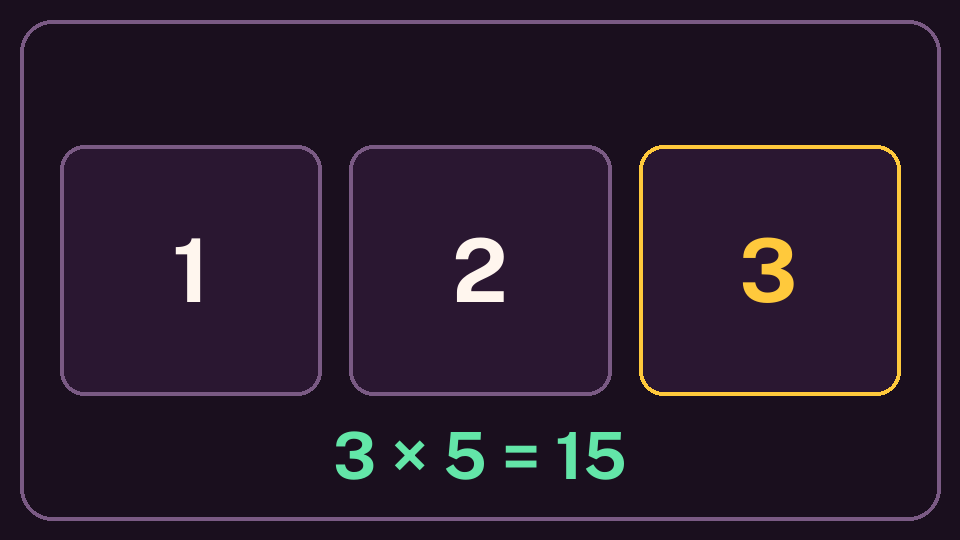
Total surprise only: 3 rounds with 5 questions give 15 questions. Change 5 to 2 and there will be 6 questions.
Player voting · 20 s per answer
In Total surprise and Chain reaction, each remaining second adds 1 point to an accepted answer.
All topics Family Example Three rounds, five categories and 10 points per accepted answer; 75 s in Traditional or 30 s per question in other modes, with no penalties.
Total surprise only: 3 rounds with 5 questions give 15 questions. Change 5 to 2 and there will be 6 questions.
Player voting · 20 s per answer
In Total surprise and Chain reaction, each remaining second adds 1 point to an accepted answer.
All topics Difficulty Example On Hard difficulty, words shown as forbidden are not accepted.
Every valid answer counts.
Common words on the excluded list do not count.
All topics Categories Example Six categories mean six answers in Traditional and Chain reaction; in Total surprise, they add choices to the draw without changing the question count; names stay secret until play.
Letters and categories only appear during the round.
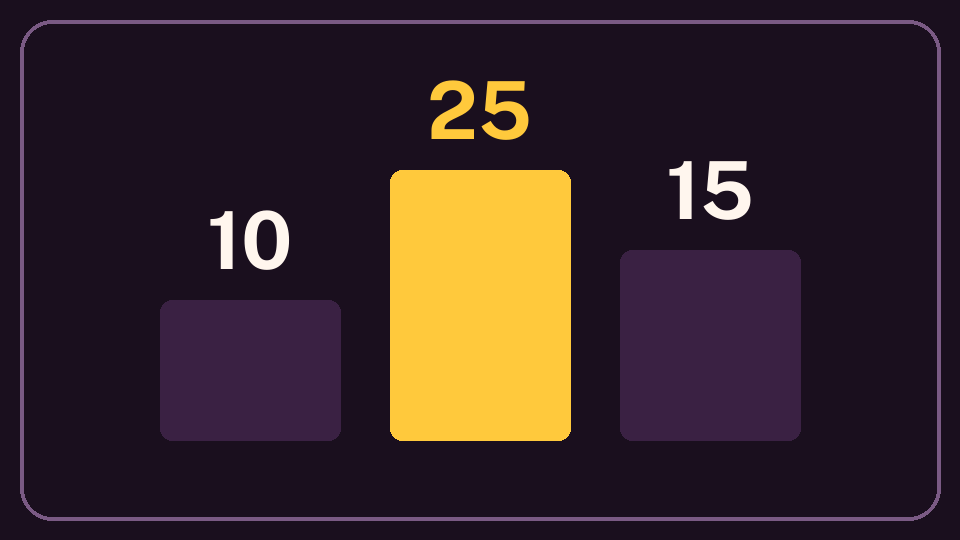
All topics Points Example A 10-point category gives one accepted answer 10 points; two matching answers get 5 points each, before any bonus.
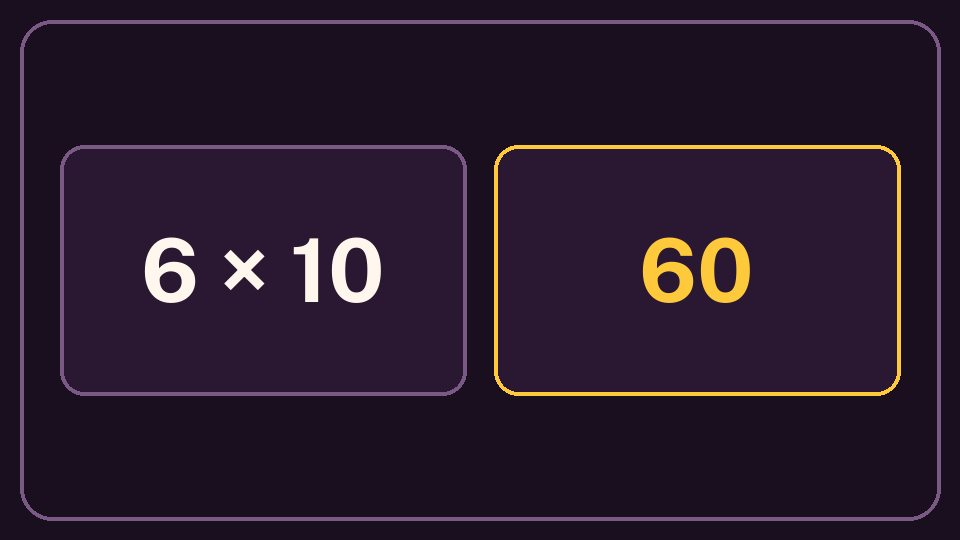
Time Example Suggested time gives six categories 60 s in Traditional; after choosing 90 s manually, changing categories keeps 90 s.
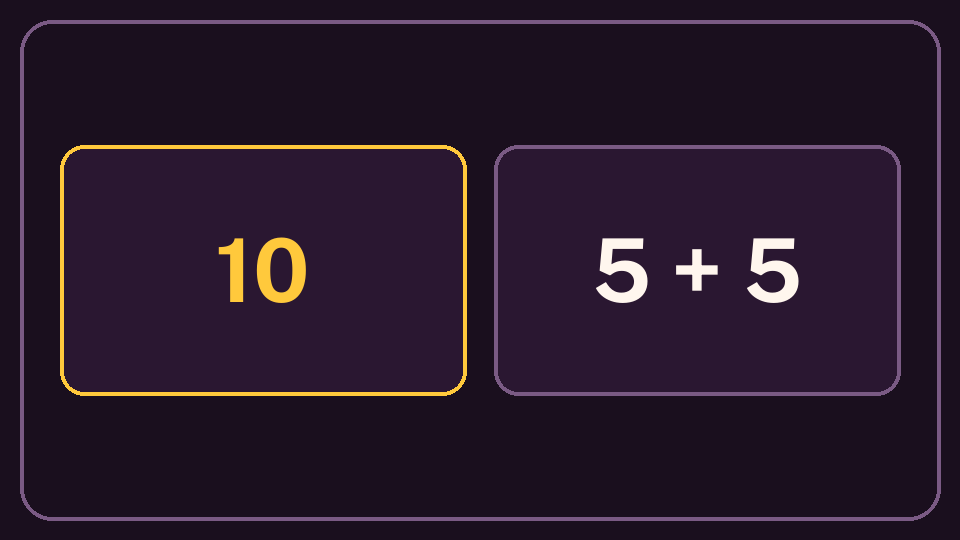
The suggested time is 10 s per category until you adjust it.
You have 20 s per question; play moves on when everyone answers or time runs out.
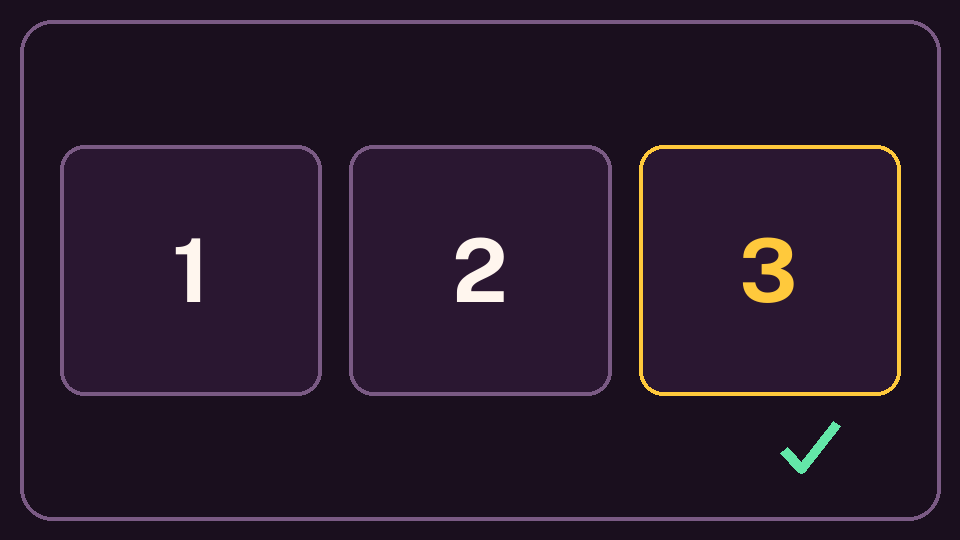
All topics Rounds Example With 3 rounds, the game ends after the third review. With no limit, the host decides when to finish.
With no limit, the game continues until the host ends it.
All topics Questions per round Example Total surprise only: 3 rounds with 5 questions give 15 questions. Change 5 to 2 and there will be 6 questions.
Questions per round: 5; then review answers and add the points.
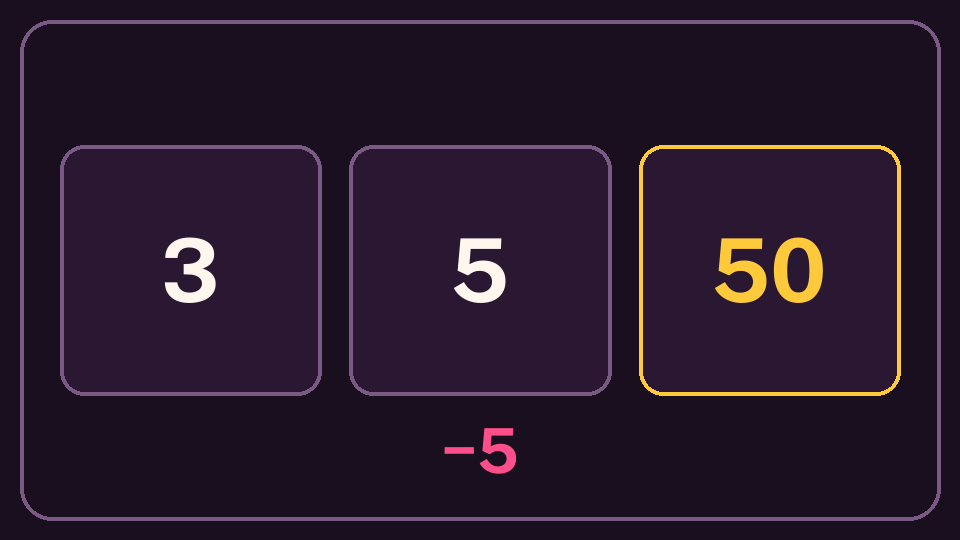
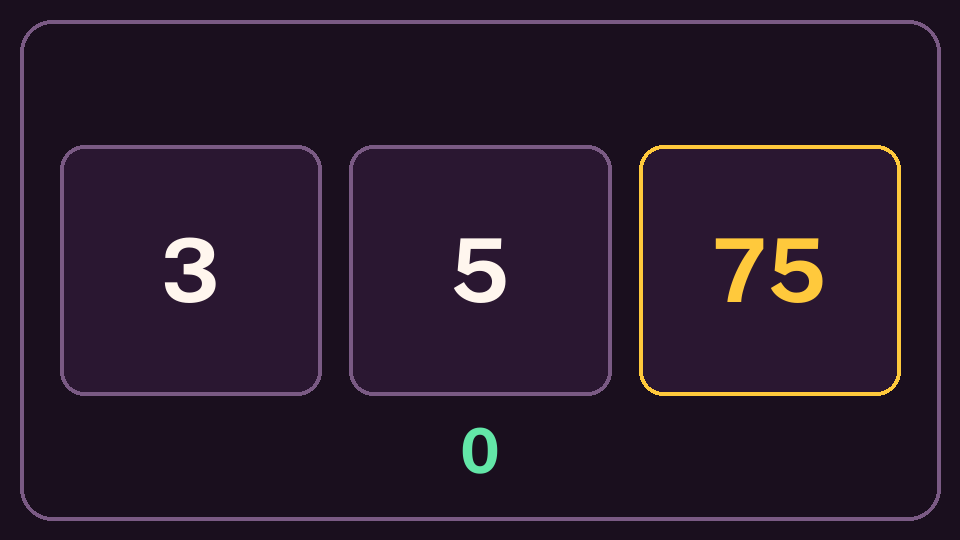
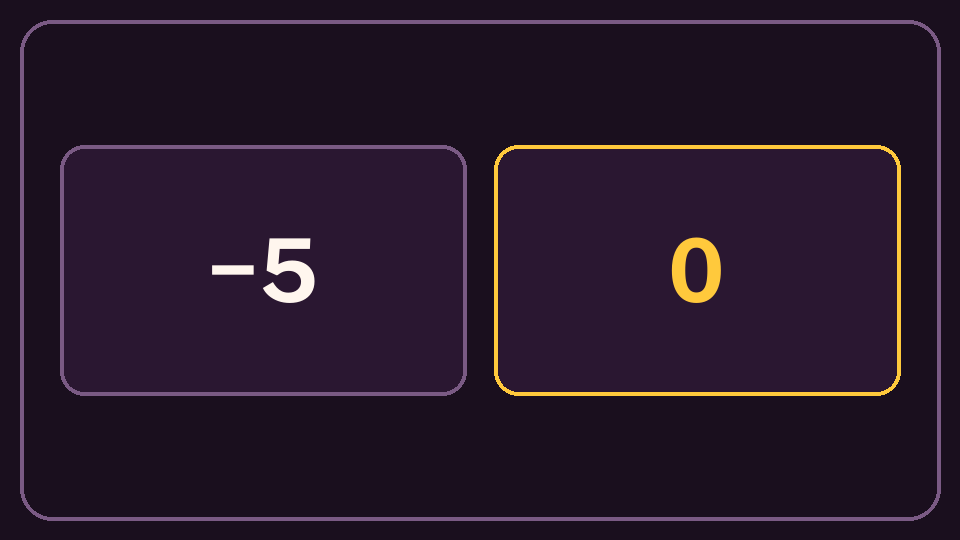
All topics Penalty Example With a 5-point penalty, a wrong or empty answer scores −5. Without a penalty, it scores 0. Totals can be negative.
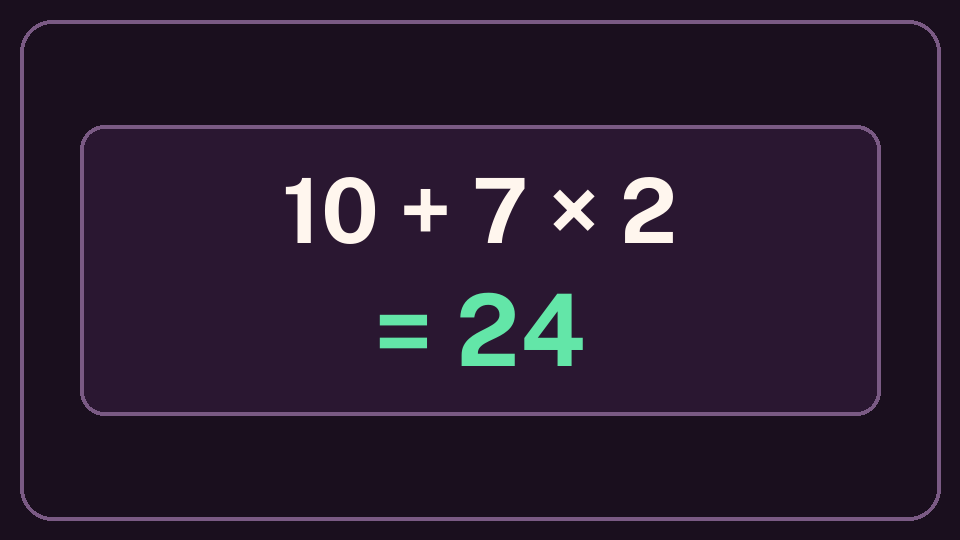
Bonus per second Example An accepted 10-point answer with 7 s left and a bonus of 2 per second earns 24; 0 disables the bonus and Traditional never uses it.
Each remaining second adds this many points to an accepted answer.
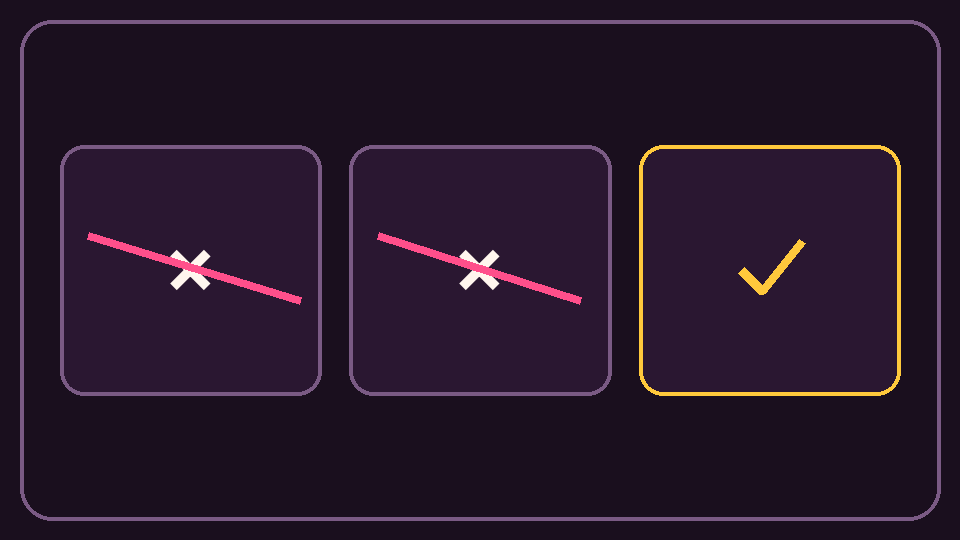
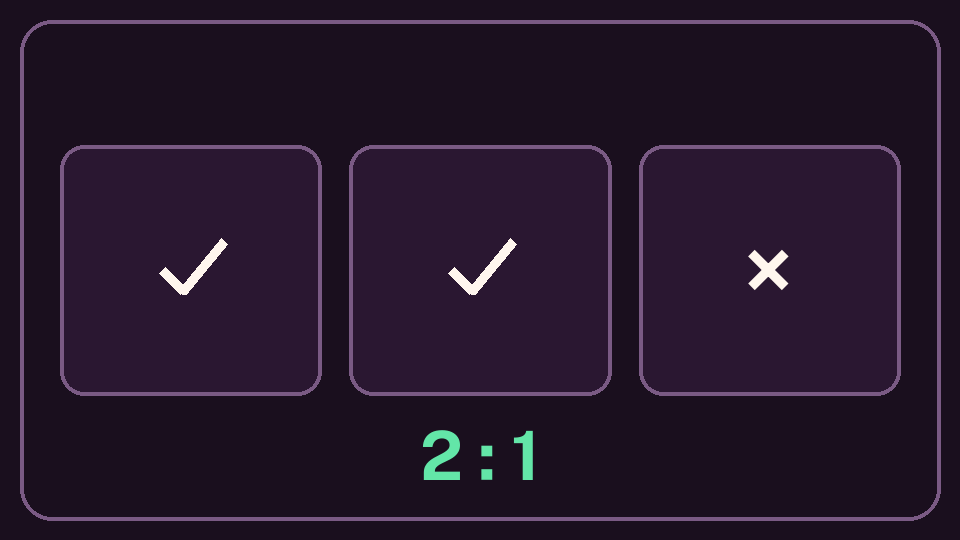
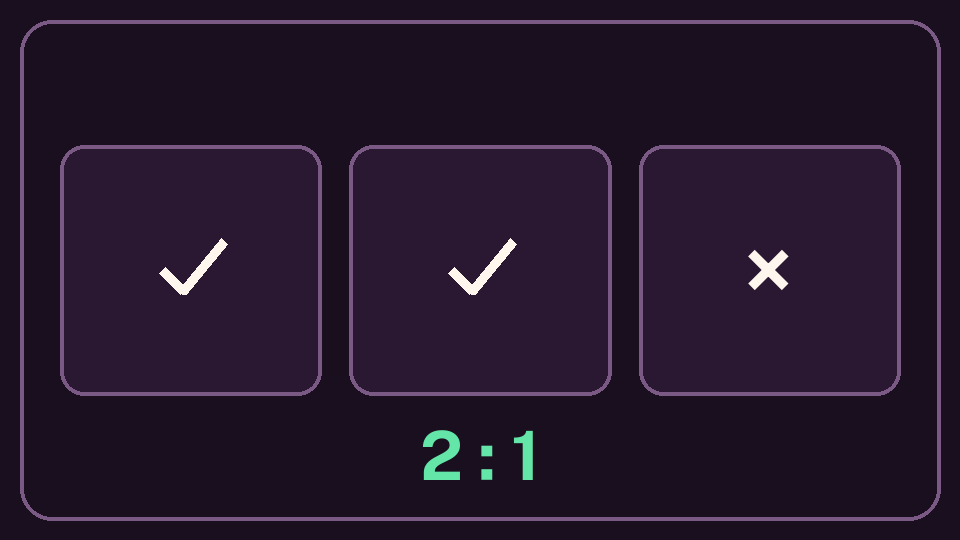
All topics Voting Example With voting, everyone except the author decides: two yes votes and one no accept the answer; ties or no votes go to the host.
An unknown answer may be right; choose who decides.
Everyone except the author votes on one answer at a time, grouped by player.
The host reviews uncertain answers.
After all voting ends, the host can correct any answer.
All topics Time per vote Example With 20 s per answer, voting ends once all eligible players vote or time runs out; the next answer has its own timer.
Each answer moves on when everyone votes or its time runs out.
The majority decides; ties or no votes go to the host.
All topics Review answers Example An unknown word stays undecided; the host can accept, reject and group matching answers before showing points.
Review the answers, resolve doubts and add up the points.
After all voting ends, the host can correct any answer.
All topics Scores Example A 10-point answer plus a 5-point answer adds 15 to the previous score; tied players share a rank.
After each round, we review answers and add to the total score.
All topics Host only Example Create and play: you also answer. Host only: you control the game without answering.
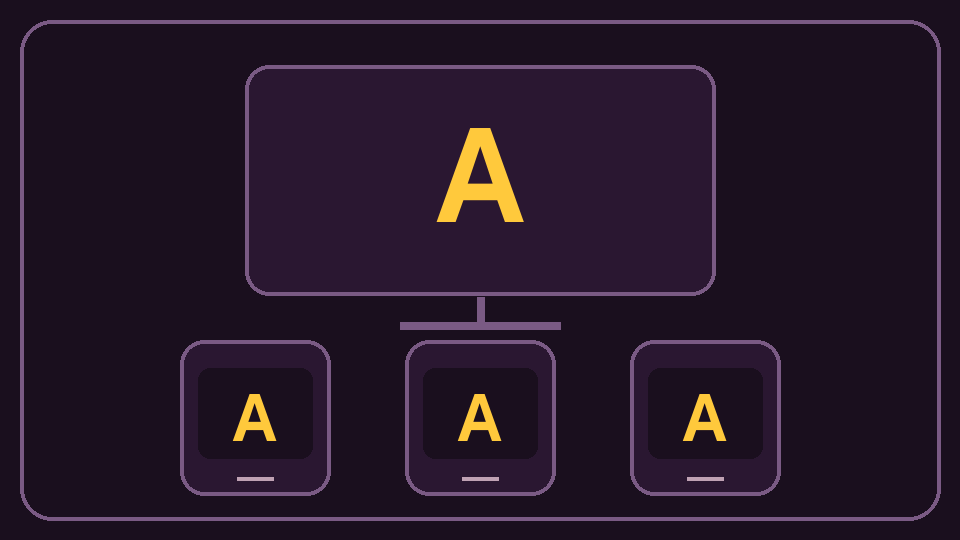
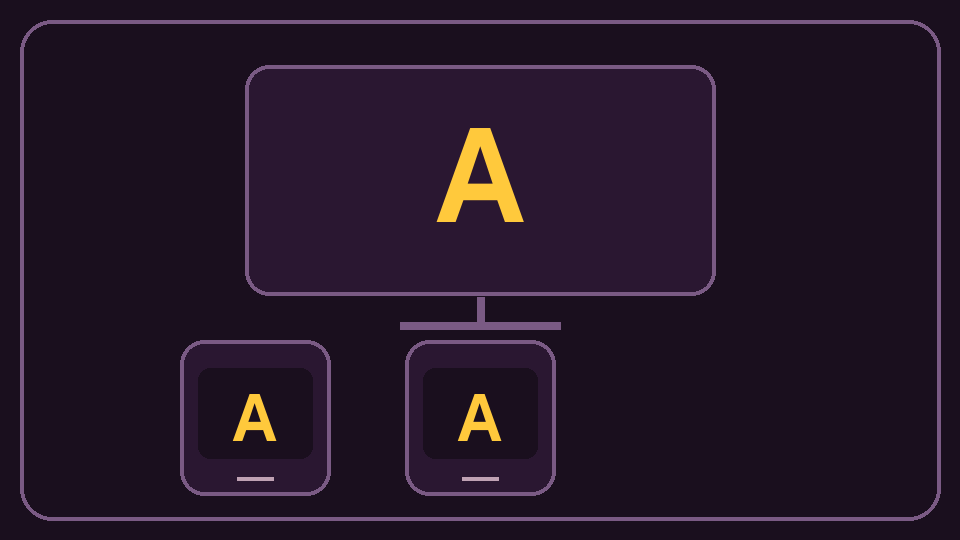
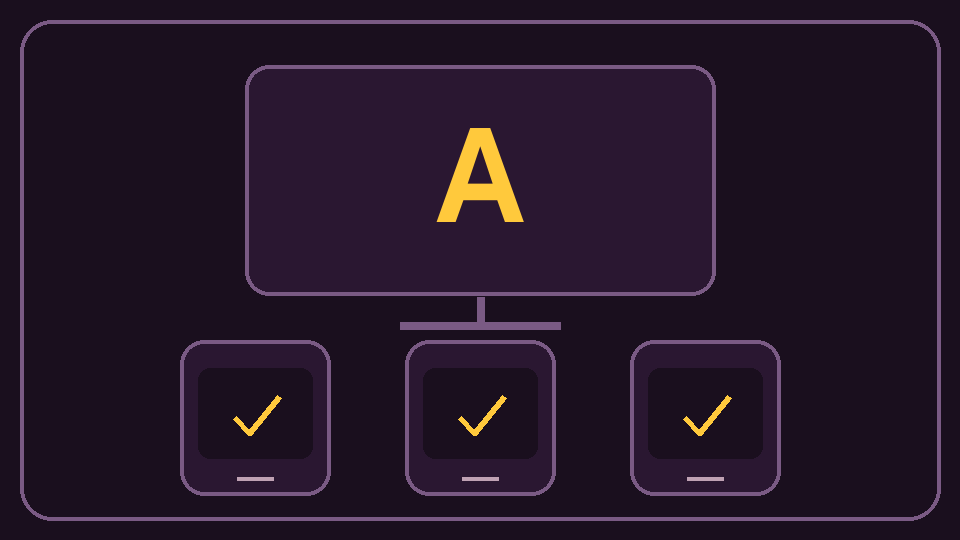
Same place Example In the same place, you can follow the game on a shared screen. Remotely, each person plays from their own location. Both need Internet access.
Play together with a shared screen.
Everyone plays from wherever they are.
All topics Language Example The selected language is used for the interface, answers and voices. Changing it may require downloading the voices.
Turn sound on Example Turning Music off keeps voices and effects. Turning Sound off mutes everything. With Cast, game audio plays on the TV.
Language Português (Portugal) Português (Brasil) English (UK) English (US) Español (España) Español (México) Français (France) Français (Canada) Deutsch Italiano Bahasa Indonesia हिन्दी 中文 日本語 Back